
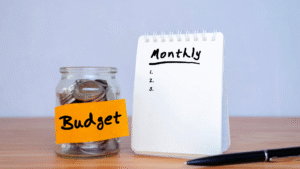
Establishing a monthly budget is essential for anyone looking to achieve financial stability and save money effectively. To stick to a budget, individuals should start by tracking their income and expenses meticulously, ensuring they allocate funds for necessities while identifying areas for potential savings. This process not only highlights spending habits but also fosters a deeper awareness of financial priorities.
Creating a realistic and flexible budgeting plan can significantly increase the chances of adherence. By setting specific, achievable goals and regularly reviewing their financial situation, people can adjust their budgets as needed to stay on track. Engaging in budgeting tools or apps can also provide valuable insights and reminders, keeping financial commitments at the forefront of daily life.
Consistency is key when it comes to successful budgeting. Individuals should cultivate discipline by recognising spending triggers and making conscious decisions that align with their financial goals. With the right strategies in place, sticking to a monthly budget becomes a manageable and rewarding endeavour.
Understanding Your Income and Outgoings
To manage a monthly budget effectively, it is crucial to have a clear grasp of income and expenses. This understanding serves as the foundation for making informed financial decisions.
Tracking Monthly Income
Accurate tracking of monthly income is essential for budgeting. This includes all sources of income, such as salaries, bonuses, and additional earnings from side jobs.
A simple table can help organise this information:
|
Source |
Amount (£) |
|
Salary |
2,500 |
|
Freelance |
400 |
| Investments |
100 |
| Total |
3,000 |
This total reflects the true amount available for budgeting. Regularly updating this data ensures that any changes in income are captured, allowing for timely adjustments to spending plans.
Calculating Monthly Expenses
Understanding monthly expenses involves identifying fixed and variable costs. Fixed expenses, such as rent or mortgage payments, remain constant each month, while variable expenses, like groceries and entertainment, can fluctuate.
A breakdown of common expenses might look like this:
|
Expense |
Amount (£) |
|
Rent/Mortgage |
800 |
|
Utilities |
150 |
|
Groceries |
300 |
| Transport |
200 |
| Entertainment |
150 |
| Total |
1,650 |
Calculating the total monthly expenses reveals how much of the income is allocated and helps identify areas where spending can be reduced.
Distinguishing Needs and Wants
It is vital to distinguish between needs and wants when budgeting. Needs are essential for daily living, such as food, housing, and healthcare. Wants, including dining out or luxury items, can often be adjusted based on financial priorities.
Creating a simple list can help in making this distinction:
Needs:
- Groceries
- Rent
- Utilities
Wants:
- Restaurant meals
- Subscription services
- New clothing
Recognising these categories allows individuals to prioritise spending that aligns with their financial goals, ensuring that essential needs are met before allocating funds to non-essential items.
Building and Maintaining Your Monthly Budget
Establishing a monthly budget requires a systematic approach that not only involves choosing a method but also setting specific financial goals. By understanding and implementing effective budgeting strategies, one can maintain control over their finances.
Selecting a Budgeting Method
Choosing the right budgeting method is crucial for successful financial management. Individuals may opt for various approaches, such as zero-based budgeting, the envelope system, or a simple spreadsheet.
Each method has its advantages based on personal preferences and financial conditions. For instance, the zero-based budgeting method allocates every pound to specific expenses, ensuring no money is left unaccounted for.
Alternatively, the envelope system allows cash to be divided into envelopes designated for various spending categories, promoting spending discipline. Evaluating these methods allows one to select a style that aligns with their financial habits and objectives.
Implementing the 50-30-20 Rule
The 50-30-20 rule is a popular framework that guides individuals in dividing their income efficiently. Under this model, 50% of net income is allocated to needs, 30% to wants, and 20% to savings and debt repayment.
Needs may include essentials such as housing, food, and utilities. Wants cover discretionary spending like dining out or entertainment.
Savings and debt repayment contribute to long-term financial stability. By following this rule, one can create a balanced budget that addresses immediate expenses while planning for future goals.
Setting Realistic Financial Goals
Clearly defined financial goals play an essential role in successful budgeting. Individuals should categorise their goals as short-term, medium-term, and long-term.
Short-term goals may include saving for a holiday or an emergency fund. Medium-term goals could be saving for a car or a home deposit. Long-term goals involve retirement savings or paying off a mortgage.
Saving for a down payment is often the biggest hurdle for first-time buyers. This is especially true in competitive markets where home prices are high. For example, buyers looking at Westminster CA real estate need a clear savings plan to compete. Having a specific target helps you decide how much to save each month. It also keeps you motivated when you have to cut back on daily spending.
Setting specific, measurable, achievable, relevant, and time-bound (SMART) goals can enhance focus and motivation. Listing these goals within the budget planner provides a visual reminder of financial priorities.
Utilising a Budget Planner
A budget planner is an invaluable tool in managing finances. It helps track income, expenses, and savings, ensuring individuals remain accountable.
Budget planners can be physical or digital. Many apps provide features like expense tracking, spending insights, and goal setting.
Regularly updating the planner with monthly transactions allows for accurate assessments and adjustments as needed. This visibility promotes informed financial choices and fosters a sense of control over budgeting practices.
Effective Strategies for Managing Spending and Savings
Managing expenses and savings requires a focused approach. By monitoring payments, reducing subscriptions, shopping smartly, and balancing entertainment costs, individuals can maintain their budgets effectively.
Monitoring Recurring Payments
Monitoring recurring payments is crucial for financial awareness. Individuals should regularly check bank statements to identify direct debits and standing orders. Listing these payments can reveal unnecessary costs.
|
Type of Payment |
Frequency | Amount | Importance |
|
Rent/Mortgage |
Monthly | £900 | Essential |
| Gym Membership | Monthly | £45 |
Optional |
| Charity Donations | Monthly | £20 |
Personal Choice |
Identifying which payments are essential can highlight opportunities to cut back. Consider setting reminders to review these payments quarterly to ensure alignment with financial goals.
Reducing Unnecessary Subscriptions
Unsubscribing from unnecessary services can significantly reduce monthly expenses. Common subscriptions, such as streaming services or magazines, often go unused. A thorough audit of these services is advisable.
Steps to Reduce Subscriptions:
- List all subscriptions.
- Review usage over the past three months.
- Cancel services not used regularly.
This approach helps individuals save money by removing financial commitments that no longer provide value. Keeping track of monthly savings from cancelled subscriptions can motivate further financial discipline.
Smart Grocery Shopping
Grocery shopping can be a significant monthly expense, yet it can be managed effectively. Creating a shopping list before visiting the store helps avoid impulse buys.
Tips for Smart Shopping:
- Plan Meals: Establish a weekly meal plan to purchase only what is needed.
- Use Coupons: Look for discounts and promotional offers.
- Buy Generic: Opt for store-brand items to lower costs.
Implementing these strategies ensures a manageable grocery bill while maintaining a healthy diet. Tracking grocery spending weekly can also help identify areas for further savings.
Balancing Leisure and Entertainment Costs
Entertainment is a vital part of life but can strain budgets if not managed properly. Setting a dedicated budget for leisure activities ensures that entertainment remains enjoyable without overspending.
Budgeting for Entertainment:
- Monthly Limit: Allocate a specific amount for activities like dining out, movies, or theatre.
- Explore Free Activities: Research local events or activities that are free to reduce costs.
- Join Groups: Consider group discounts for events or memberships to share costs.
Encouraging balance in leisure spending allows for enjoyment while ensuring that individuals remain within their overall budget. Adopting this balanced approach fosters a healthier financial lifestyle.
Preparing for the Future and Adjusting Your Budget
Anticipating future financial needs and regularly adjusting a budget is essential for maintaining fiscal health. This section addresses building an emergency fund, planning savings and investments, and the importance of reviewing the budget to ensure it aligns with life changes.
Building an Emergency Fund
Establishing an emergency fund should be a priority. This fund acts as a financial safety net for unexpected expenses, such as medical bills or car repairs. Financial advisors often recommend saving three to six months’ worth of living expenses.
To build this fund, set aside a specific amount each month. A high-yield savings account can provide interest, making your savings grow over time. Regular contributions, even if small, can lead to substantial savings.
Planning for Savings and Investments
Clear savings goals are crucial for financial stability. Individuals should determine specific objectives, such as saving for a house, a holiday, or retirement. These goals can influence the type of investment accounts they choose.
Investments should align with risk tolerance and time horizon. Options include stocks, bonds, and mutual funds. Researching various investment products can ensure the right fit. Many banks, including Bank of America, offer resources to compare investment options.
Reviewing and Adjusting Your Budget
Regularly reviewing and adjusting the budget is necessary to adapt to changing circumstances. Life events, such as a job change or relocation, may influence financial priorities. This process requires analysing spending patterns to identify areas for improvement.
Using budgeting apps or spreadsheets can simplify tracking expenses. Adjusting the budget to accommodate new financial realities, including loan repayments or increased living costs, will help maintain balance. Frequent reassessment ensures that the budget remains relevant and effective.

Comments