
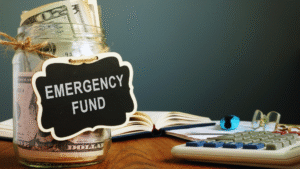
Many people understand the importance of having money set aside for unexpected expenses, but struggle to create an emergency savings fund. An emergency savings fund is built by setting a realistic goal, automating regular contributions, and keeping the money easily accessible. This approach ensures funds are ready when needed without disrupting day-to-day finances.
The key is to determine how much to save based on monthly expenses and potential emergencies. By breaking the process into manageable steps, anyone can steadily grow their savings. Knowing the right methods can make creating this safety net straightforward and achievable.
Understanding Emergency Savings
An emergency savings fund safeguards financial stability by covering urgent, unforeseen costs. It acts as a financial buffer to protect against disruptions like loss of income or sudden expenses.
What Is an Emergency Fund?
An emergency fund is a dedicated amount of money reserved exclusively for unexpected expenses. It is separate from regular savings or investment accounts.
The fund should cover essential living costs for a defined period, typically three to six months. This includes rent or mortgage, utilities, groceries, and essential bills.
It is liquid and easily accessible, commonly held in a savings account or other low-risk, short-term instruments. The goal is to use it only for true emergencies, not discretionary spending.
Why Emergency Savings Are Essential
Emergency savings provide financial security during difficult times. Without this fund, individuals may rely on high-interest debt or loans to cover urgent costs, which worsens financial strain.
Unexpected expenses such as car repairs, medical bills, or job loss require immediate cash. Having emergency money available helps maintain normal living standards and reduces stress.
It also gives time to make thoughtful decisions without financial panic. This stability is crucial for protecting credit scores and avoiding long-term financial damage.
Common Uses for Emergency Funds
Emergency funds cover a range of unplanned financial needs. Typical uses include repairs for essential household items, urgent medical treatment, and replacing lost income during unemployment.
For example, a sudden car repair may cost several hundred pounds, which might not be easily absorbed in a regular budget. Emergency savings ensure such costs don’t derail monthly finances.
It is also essential for covering basic living costs if income is temporarily lost. This prevents missed rent, utility cut-offs, and ensures ongoing access to food and healthcare.
Determining How Much to Save
Setting a clear savings target requires understanding individual financial obligations and income patterns. The amount needed will depend on monthly costs, including fixed and variable expenses, and whether income is steady or irregular.
Calculating Your Target Emergency Fund
A common recommendation is to save between three to six months’ worth of essential expenses. This range offers a buffer for unexpected events like job loss or urgent repairs.
To calculate the total monthly essential outgoings such as rent, mortgage payments, utilities, food, and transport. Multiply this figure by the desired number of months. For example, if monthly essential expenses are £1,200, a 3-month fund would be £3,600, while a 6-month fund would be £7,200.
He or she should adjust this based on job security and lifestyle to ensure the fund is large enough to cover necessities without being unnecessarily restrictive.
Essential Expenses to Cover
Focus only on expenses that are absolutely necessary to maintain daily living when building an emergency savings fund. These typically include:
- Mortgage or rent payments
- Utilities such as electricity, water, and gas
- Groceries and basic food supplies
- Transport costs essential for work
- Insurance premiums and minimum debt repayments
Discretionary spending, like dining out or subscriptions, should be excluded. Including all monthly outgoings may overinflate the target and slow down the savings process.
Adjusting for Irregular Income
For those with fluctuating income, such as freelancers or commission-based roles, determining the right amount requires a cautious approach. Calculate an average monthly income over at least six months to one year.
They should then base their emergency fund on the highest consistent essential expense months and ensure savings cover three to six months of those figures. Inflation and potential income drops should also be factored in, allowing a buffer to absorb dips without exhausting the fund prematurely.
Regular review and adjustment of the target amount is crucial to keep pace with changing financial circumstances.
Where to Keep Your Emergency Savings
Selecting the right place for emergency savings depends on balancing accessibility, security, and modest growth. Options vary widely, from instant access accounts to low-risk government-backed investments, each with its benefits and limitations.
Choosing the Right Savings Account
A standard savings account with a reputable bank offers safety and predictable access. It is important that the account is separate from daily spending accounts to reduce the temptation to dip into emergency funds.
Interest rates on these accounts tend to be low but steady, ensuring the money retains some value against inflation. Choosing an account with no withdrawal penalties and no minimum balance fees is essential for flexibility.
Benefits of Easy Access Savings
An easy-access savings account allows immediate withdrawal without notice or fees, making it ideal for urgent needs. These accounts typically offer higher interest than regular current accounts, but lower than fixed-term options.
The main advantage lies in liquidity; funds can be transferred instantly to a current account. Banks often provide online and mobile access, streamlining the process during emergencies.
Using Premium Bonds
Premium Bonds issued by NS&I are a low-risk alternative where the capital is secure, and returns come through tax-free prize draws rather than fixed interest. The chance to win prizes replaces regular interest payments.
They are easy to redeem and widely accessible, but the lack of guaranteed returns makes them less reliable for steady growth. Still, they serve well as part of a diversified emergency fund strategy.
Considering Separate Accounts
Keeping emergency savings in a separate savings account helps with budgeting and mental accounting. It prevents accidental overspending and encourages discipline.
Separate accounts also make tracking progress easier and often help with targeted savings goals. Individuals should watch out for additional fees or account maintenance charges that might reduce the balance unnecessarily.
Practical Steps to Build and Maintain Your Fund
Building an emergency fund requires consistent actions and strategic adjustments. It involves creating a dependable savings routine, automating contributions, increasing deposits with additional income, and regularly reviewing the fund’s status.
Setting a Regular Savings Habit
Creating a firm saving habit means treating contributions like a fixed monthly expense. Experts suggest starting with an amount that is manageable, such as 5-10% of monthly income. This ensures the savings process is sustainable without causing financial strain.
Tracking expenses helps to identify areas to cut back, enabling more money to be directed towards the emergency fund. For example, reducing discretionary spending on non-essential items can free up cash to save. This disciplined approach avoids reliance on payday loans during emergencies, which carry high interest rates and can worsen finances.
Automating Your Savings
Automating transfers from a current account directly into a separate savings account removes the risk of forgetting or skipping payments. Many banks offer features to set up regular standing orders or direct debits to move a fixed amount weekly or monthly.
This method ensures saving continues uninterrupted, even when other expenses fluctuate. It also provides peace of mind that the fund is growing steadily without requiring constant attention, reducing the temptation to spend the money elsewhere.
Boosting Your Fund with Extra Income
Adding unexpected or additional income to the emergency fund accelerates its growth. Bonuses, tax refunds, or side-job earnings are ideal sources. Channelling these funds directly into the emergency account maximises the savings effect.
Maintaining a clear distinction between everyday finances and the emergency fund prevents depletion. Avoid dipping into the fund for regular expenses or investing it in volatile markets such as highly speculative investments. The primary aim is to keep the money accessible and secure.
Reviewing and Adjusting Over Time
Regularly reviewing the emergency fund ensures it matches current financial needs. Life changes like new dependents, changes in employment, or shifts in monthly expenses, can require increasing the target sum.
Setting a schedule to reassess the fund every six months helps maintain adequacy. Adjust monthly saving amounts as necessary to reach the new target. The fund’s goal should remain sufficient to cover at least three to six months’ worth of essential living costs, safeguarding against unexpected financial shocks.

Comments