
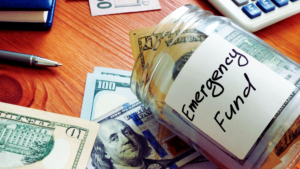
An emergency fund serves as a financial safety net that can cover unexpected expenses, providing essential financial security. To create an effective emergency fund, an individual should aim to save three to six months’ worth of living expenses. This fund can be a crucial asset during challenging times such as job loss, medical emergencies, or urgent home repairs.
Establishing this fund requires a structured approach. They can start by determining a suitable savings goal based on their monthly expenses, followed by identifying ways to allocate funds toward this goal, such as budgeting or cutting non-essential spending. Maintaining discipline in saving habits will help build this fund steadily over time.
Once the fund is established, it is vital to keep it accessible yet separate from regular spending. High-interest savings accounts or other secure options can be beneficial, ensuring the money is available when needed most. This preparation fosters greater peace of mind and encourages a more secure financial future.
Understanding Emergency Funds
An emergency fund is a crucial element for achieving financial security. It provides a buffer against unexpected expenses, ensuring that individuals are prepared for unforeseen circumstances. As an example, imagine needing a complete roofing overhaul suddenly—this would involve buying a new roof and also affording the services of roofing company professionals. In such a scenario, an emergency fund can come in handy. Similarly, emergency funds can be invaluable during unexpected medical situations or an abrupt end to employment.
The Importance of an Emergency Fund
An emergency fund serves as a financial safety net for an individual. It is designed to cover living expenses during challenging situations, preventing the need for high-interest debt or drastic lifestyle changes. Ideally, this fund should contain three to six months’ worth of essential expenses.
Key benefits include:
- Financial security: It offers peace of mind knowing funds are available for emergencies.
- Avoiding debt: It reduces reliance on credit cards and loans in a crisis.
- Flexibility: It allows for better decision-making without the pressure of immediate financial strain.
Determining Your Financial Safety Net
Calculating the amount required in an emergency fund depends on personal circumstances and lifestyle. Individuals should consider their monthly living expenses, including rent, utilities, groceries, and insurance.
To establish a safety net:
- List essential expenses: Identify mandatory costs each month.
- Calculate total needs: Multiply these expenses by three to six months.
- Consider personal factors: Existing debts, job stability, and health considerations may influence the ideal amount.
This tailored approach ensures one can cover unforeseen events while maintaining financial stability.
Setting Your Savings Goal
Determining a savings goal is essential for building an effective emergency fund. This process involves identifying essential living expenses and calculating an appropriate target for savings.
Calculating Your Essential Living Expenses
To set a realistic savings goal, first identify basic living expenses. These include rent or mortgage, utilities, groceries, transportation, and insurance.
Create a monthly budget that lists all essential expenses. For example:
| Expense | Amount ( ) |
| Rent/Mortgage | 1,200 |
| Utilities | 150 |
| Groceries | 300 |
| Transportation | 100 |
| Insurance | 80 |
| Total | 1,830 |
This total reflects monthly costs that should be covered by an emergency fund. Generally, it’s advisable to save enough to cover three to six months of these essential expenses.
Establishing a Target for Your Emergency Savings
Once the essential living expenses are calculated, the next step is to establish a target for emergency savings. This target should be based on the total monthly expenses multiplied by the desired number of months.
For instance, if the total monthly expenses are 1,830 and the goal is to cover six months, the target is calculated as follows:
[ text{Target} = 1,830 times 6 = 10,980 ]
Setting a clear target like 10,980 helps retain focus while saving. It also provides a benchmark, allowing for adjustments when financial circumstances change, ensuring the fund remains relevant over time.
Choosing the Right Savings Account
Selecting the appropriate savings account is crucial for building an effective emergency fund. A well-chosen account can enhance savings through interest while offering easy access in times of need.
Benefits of a High-Yield Savings Account
High-yield savings accounts typically offer significantly better interest rates compared to traditional savings accounts. This increased rate allows funds to grow more rapidly, which is advantageous for an emergency savings goal.
These accounts are generally also low-risk and insured by the Financial Services Compensation Scheme (FSCS) in the UK, providing peace of mind. Accessibility is another advantage; funds are usually easy to withdraw when needed, ensuring that emergencies can be met without delays.
While these accounts may require higher minimum balances or have restrictions on withdrawals, the benefits often outweigh the limitations. Ultimately, the choice of a high-yield savings account can lead to smarter financial growth.
Finding an Account with a Competitive Interest Rate
When searching for a savings account, it is essential to compare different providers to find a competitive interest rate. Rates can vary significantly, so researching multiple banks and financial institutions can yield better returns on savings.
Look for accounts that offer promotional rates but be sure to check the terms. Rates might decrease after an introductory period, affecting long-term savings potential.
Online banks often provide higher interest rates than traditional brick-and-mortar banks due to lower overhead costs. Additionally, using comparison websites can simplify the search for accounts that meet specific needs, allowing for informed decisions in securing an effective emergency savings account.
Strategies for Building Your Emergency Fund
Creating a robust emergency fund requires a strategic approach that combines disciplined budgeting, effective use of unexpected income, lifestyle adjustments, and recognition of achievements. The following strategies will aid in establishing and growing this essential financial safety net.
Budgeting for Monthly Contributions
Establishing a budget is fundamental for setting aside regular contributions towards an emergency fund. An individual should assess their monthly income and recurring expenses to identify disposable income.
A well-structured budget allows for the allocation of a specific portion of income, ideally 10% to 20%, towards the emergency fund.
Utilising budgeting tools or apps can help track progress and maintain commitment. Additionally, setting up an automatic transfer to a separate savings account can simplify the process, ensuring contributions are made consistently without reliance on memory.
Utilising Windfalls Like Tax Refunds
Unexpected financial windfalls, such as tax refunds or bonuses, present excellent opportunities to boost an emergency fund significantly. When these events occur, a prudent approach involves directing a substantial portion, if not all, of the windfall towards savings.
This strategy can have a considerable impact, as these lump sums can provide a considerable boost to an emergency fund balance.
It is important to avoid the temptation to spend this money on non-essentials. Instead, setting a specific goal upon receiving a windfall can reinforce the habit of prioritising financial security.
Adjusting Lifestyle and Expenses to Improve Cash Flow
Lifestyle adjustments can play a crucial role in improving cash flow and increasing contributions to an emergency fund. This might involve evaluating current spending habits and identifying areas where costs can be reduced.
For example, consider:
- Cancelling unused subscriptions
- Eating out less frequently
- Seeking more economical alternatives for daily purchases
By making conscious choices, individuals can free up additional funds for savings. Keeping track of these changes can motivate continued adjustments and enhance cash flow. Home maintenance is one area where small changes make a big difference in monthly bills. For example, old or damaged crawl space insulation lets cold air into the house during winter. This problem forces heating systems to work harder and increases energy costs. Replacing this material helps lower utility bills immediately. The money saved on these bills can go straight into a savings account.
Recognising and Celebrating Milestones
Recognising milestones in the journey to building an emergency fund can reinforce positive behaviours and maintain motivation. Setting specific savings targets, such as reaching the first 500, 1,000, or even three months’ worth of expenses, provides clear goals.
Celebrating these milestones could involve treating oneself to a small reward or simply acknowledging progress within personal finance.
This practice cultivates a sense of achievement and encourages continued efforts towards achieving a fully funded emergency savings account. Celebration reinforces not just the act of saving but also the financial discipline developed along the way.

Comments